Uncover The Magical Powers of Mother Nature’s Oyster with The Mass Oyster Project
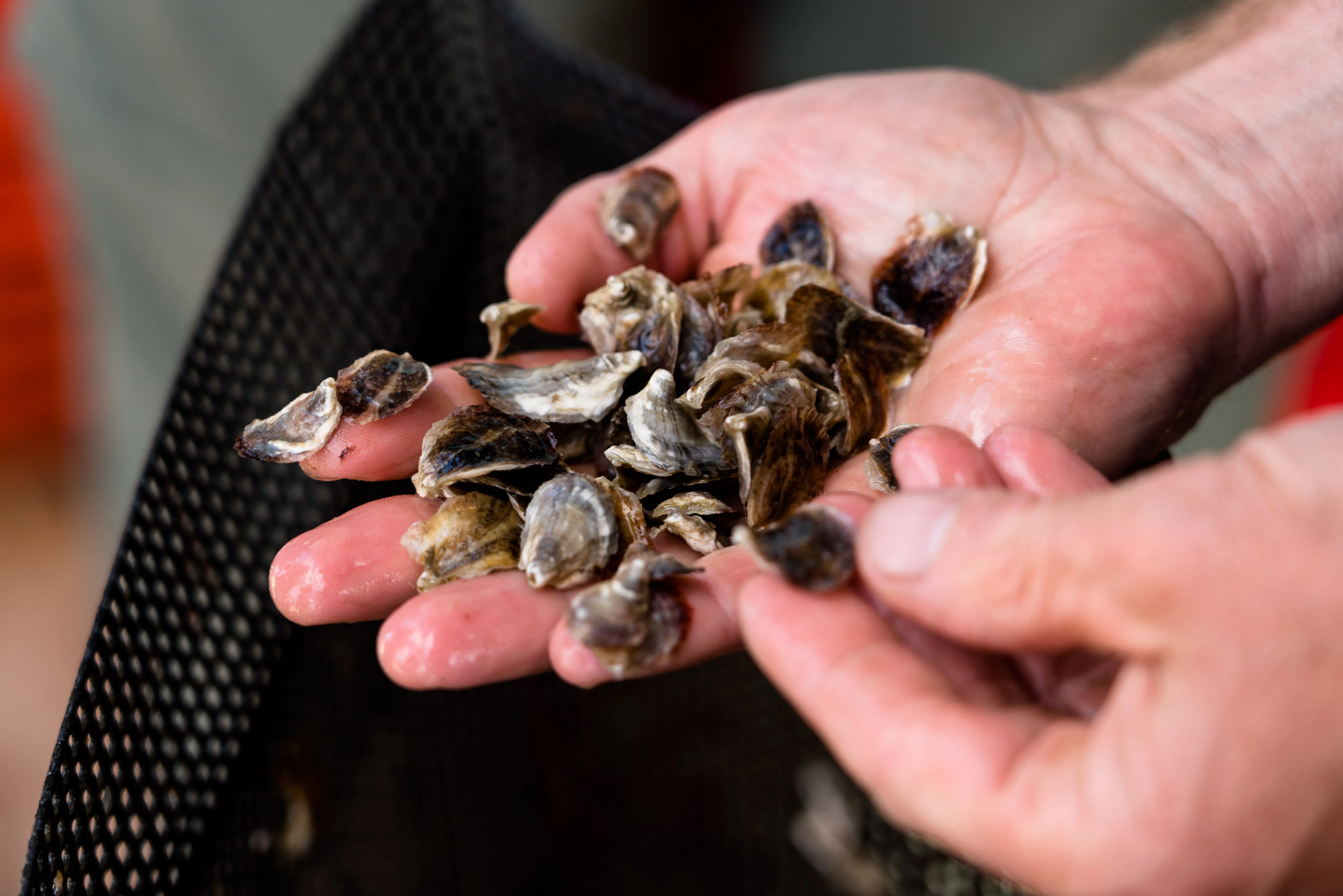
“Whoaaa how does that even happen?!”
Mass Oyster Project’s Executive Director Liv Woods is reliving the overwhelming reaction they receive when delivering classroom demonstrations in schools. It’s no surprise either, as the kids have just witnessed magic in its purest form. We’re not talking about a card trick, bending spoons, or pulling rabbits out of hats, we’re talking about the magic provided by Mother Nature.
A container with five gallons of water so cloudy and unfiltered you can’t see through to the other side is placed in the room before oysters (yep, that same delicacy you order in seafood restaurants) are dropped in. The intrigued kids keep watch as this experiment unfolds in front of their eyes throughout the day until the water is unrecognizable.

“It’s noticeably clean, and you can look straight through it,” says Liv. “To help the kids see oysters as little natural engineers is amazing.”
A mind-blowing fact is that just one single oyster can filter up to 50 gallons of water every single day. That’s the equivalent amount of water used if you took a 20-minute shower!
It’s this superpower of being a full filtering service that makes the tiny oyster a keystone species that’s essential to the protection of our coastlines, marine species, and wider ocean health.
“I get so excited about it,” says Liv. “We don’t always need engineers to develop and build solutions to enhance the health of our ocean. We have this amazing creature that Mother Nature created.”
“To help the kids see oysters as little natural engineers is amazing.”
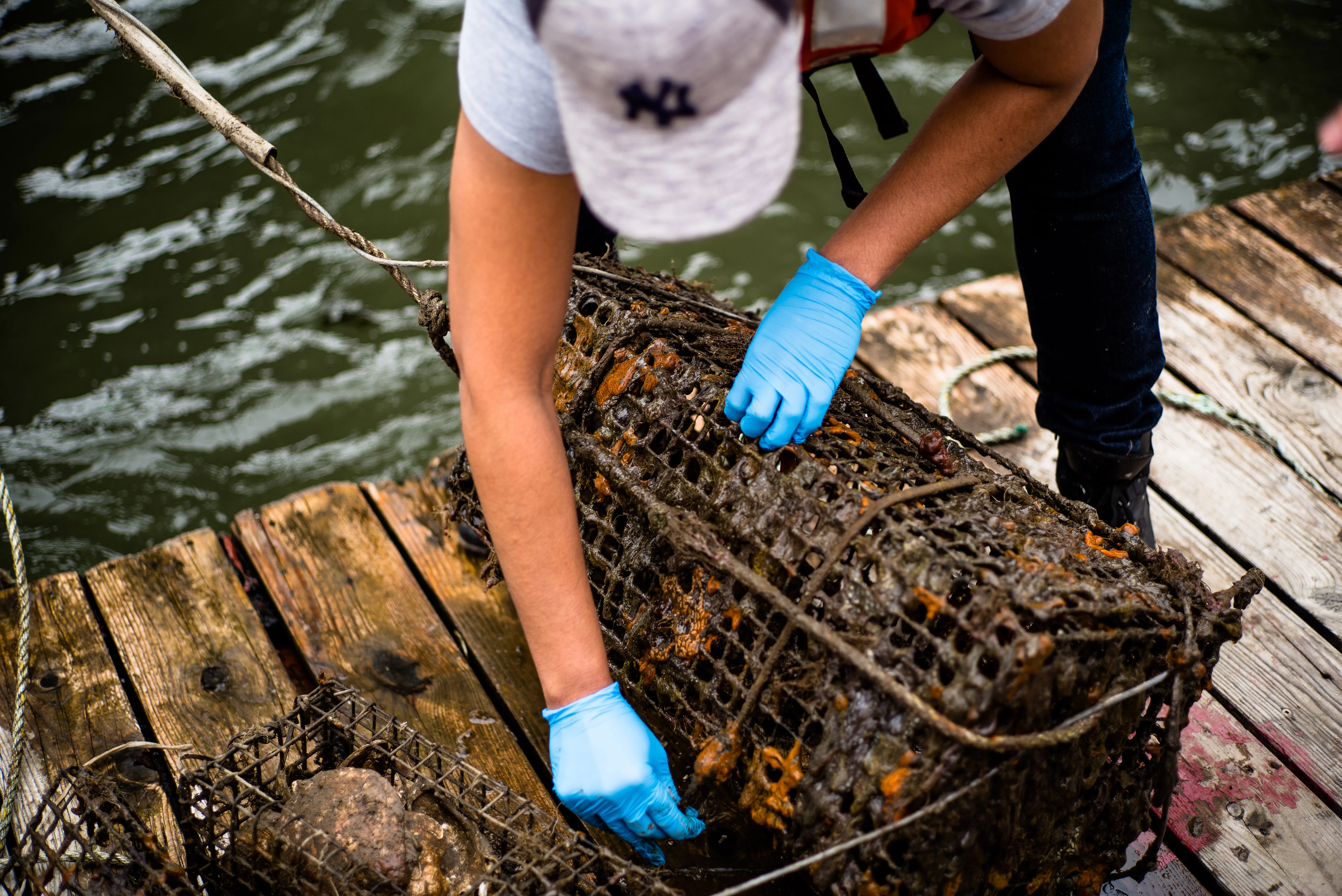
So, how does it work exactly? How does an oyster help clean the water in our ocean and help mitigate the effects of climate change?
Liv explains: “When an oyster is sitting in the water, it’s feeding off the algae and nutrients in order to grow in size (a standard oyster will grow from 1 inch to 3 inches over the course of 2-4 years depending on the water temperature).
“The oyster and the shell work in tandem to become a filtering device. The oyster cleans the water by removing the nitrogen and storing it in its shell. Anything it doesn’t eat, either gets stored in the shell or filtered back into the water.”
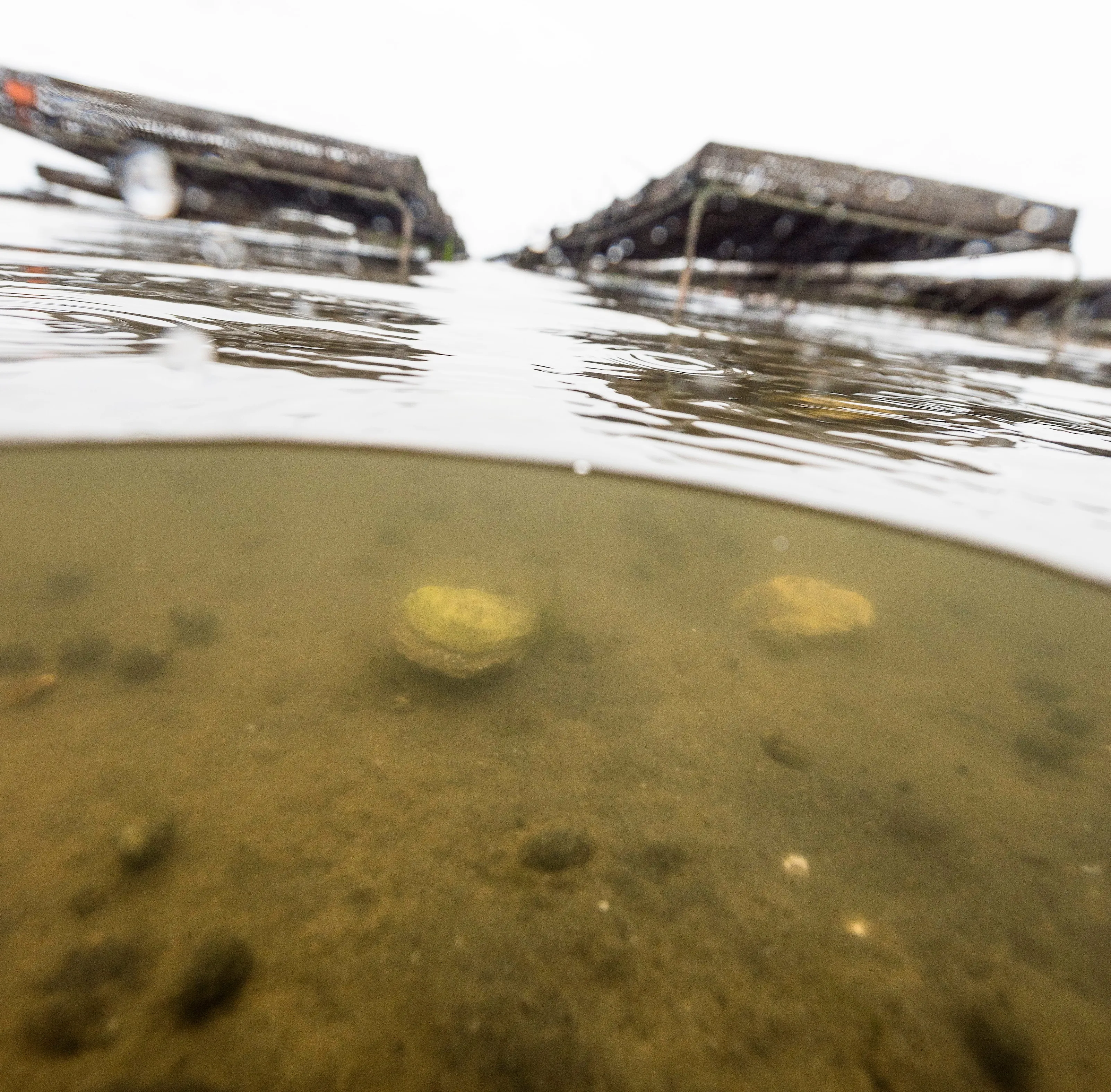
It’s not just the magical filtering process that makes the oyster so beneficial. Healthy and growing oyster beds in the ocean act “like a tree route” and slow the waves down as they’re coming into the harbor, which helps protect our coastlines from erosion and flooding.
Unlike other shellfish that move around, oyster beds don’t move once they have formed, which makes them a protective habitat and healthy environment for countless other marine species and marine life plants to thrive.
"The oyster cleans the water by removing the nitrogen and storing it in its shell."

Over the last few decades, though, it’s estimated that around 85% of oyster beds and oyster reef habitats have been lost due to over-harvesting, dredging, and ocean diseases. Restoring the population through oyster cultivation, shell recycling, advocacy, and education is the key mission of the Mass Oyster Project, a non-profit organization supported by 11th Hour Racing through its grants program.
“We grow oysters in upwellers and put them back into the ocean,” says Liv. “We’re also working with restaurant owners to save the shells from going into landfill and reusing them to help grow new oysters.
“By reusing the materials again, we’re putting something back into nature that was originally part of the environment in the first place.”
“By reusing the materials again, we’re putting something back into nature that was originally part of the environment in the first place.”
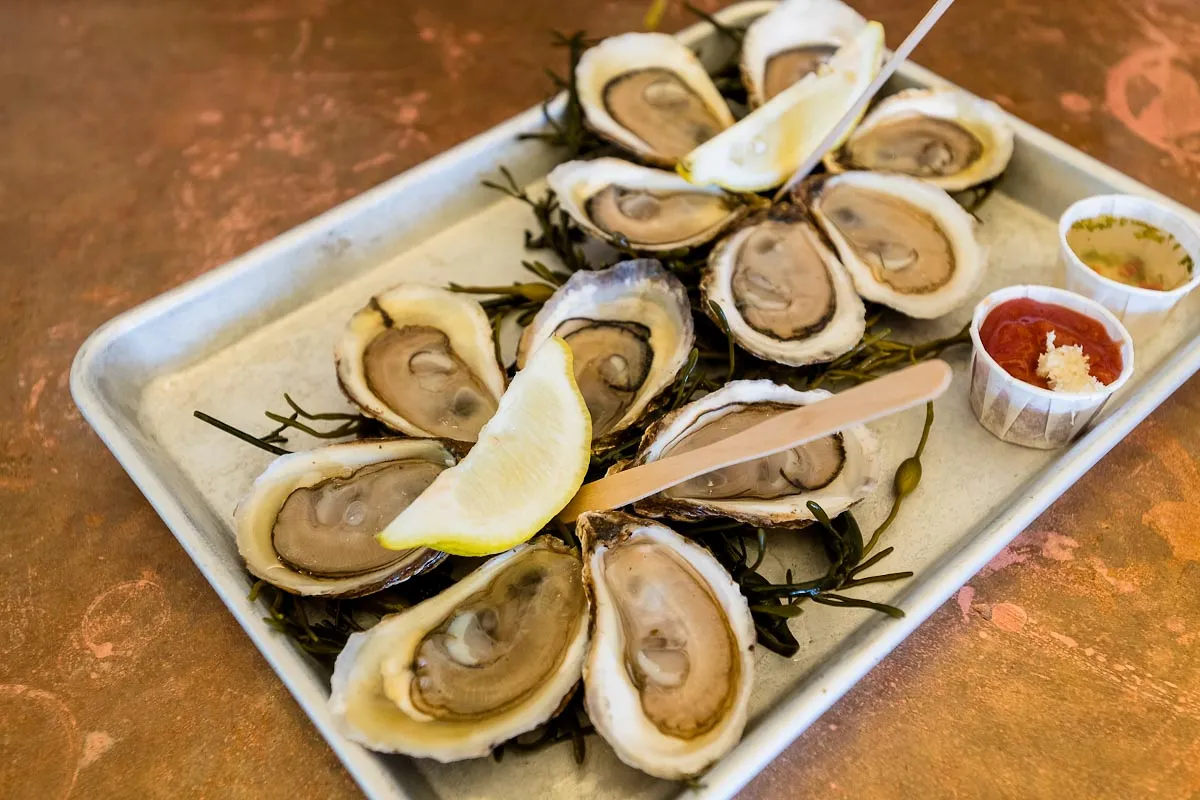

As for the future, Liv is confident that shifting back to nature-based solutions and replicating the methods once again can have a transformative effect.
“Young people are going to be faced more and more with the challenges in the world, and it can seem really overwhelming a lot of the time,” she says. “The positive role that oysters can play makes me confident that we can all play a role that contributes to the bigger picture.
“Through education about oysters, wider composting and recycling, we can create stewards of the planet who can really make a big difference.”
Find out more about the Mass Oyster Project here.
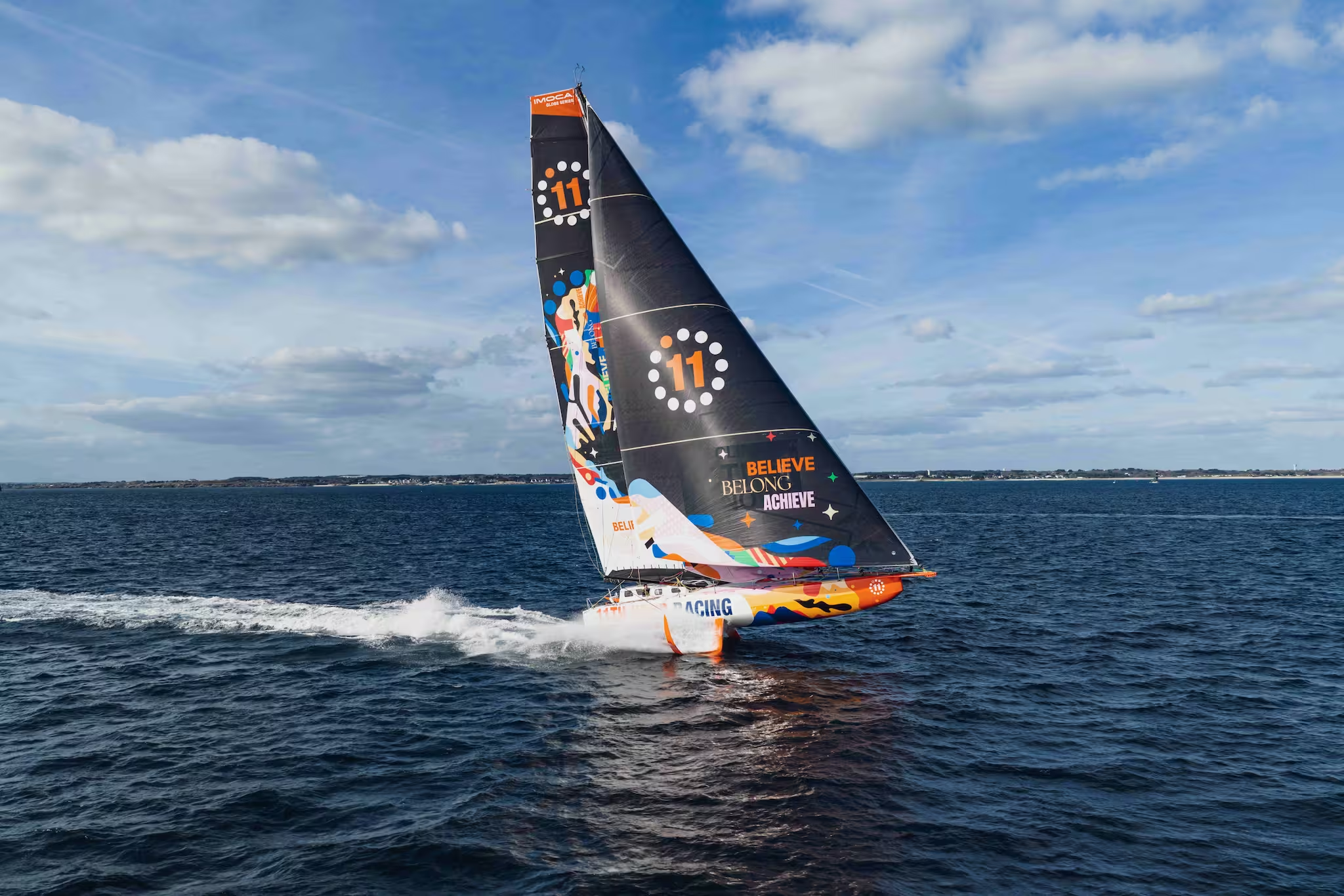
Hero image credit ©Cory Silken
Related stories

One Goal: Phallon Tullis-Joyce Meets the Young Defenders of Jamaica’s Coast
Saving and protecting are two words 11th Hour Racing ambassador Phallon Tullis-Joyce lives by every day as Manchester United Women’s goalkeeper.

How the Changemakers Tour Inspired The Next Generation To Dream Big
Three cities, one mission. In the summer of 2026, Team Francesca Clapcich Powered by 11th Hour Racing set out on its first Changemakers Tour.

From Oops to Yay: How Zero Waste Providence Is Changing Recycling Habits
Recycling has been around for decades, in fact, in the 1980s Rhode Island became the first U.S. state to establish a statewide mandatory recycling program: The 1986 Rhode Island Recycling Act.

Grantees
Coastal & Ocean Resilience